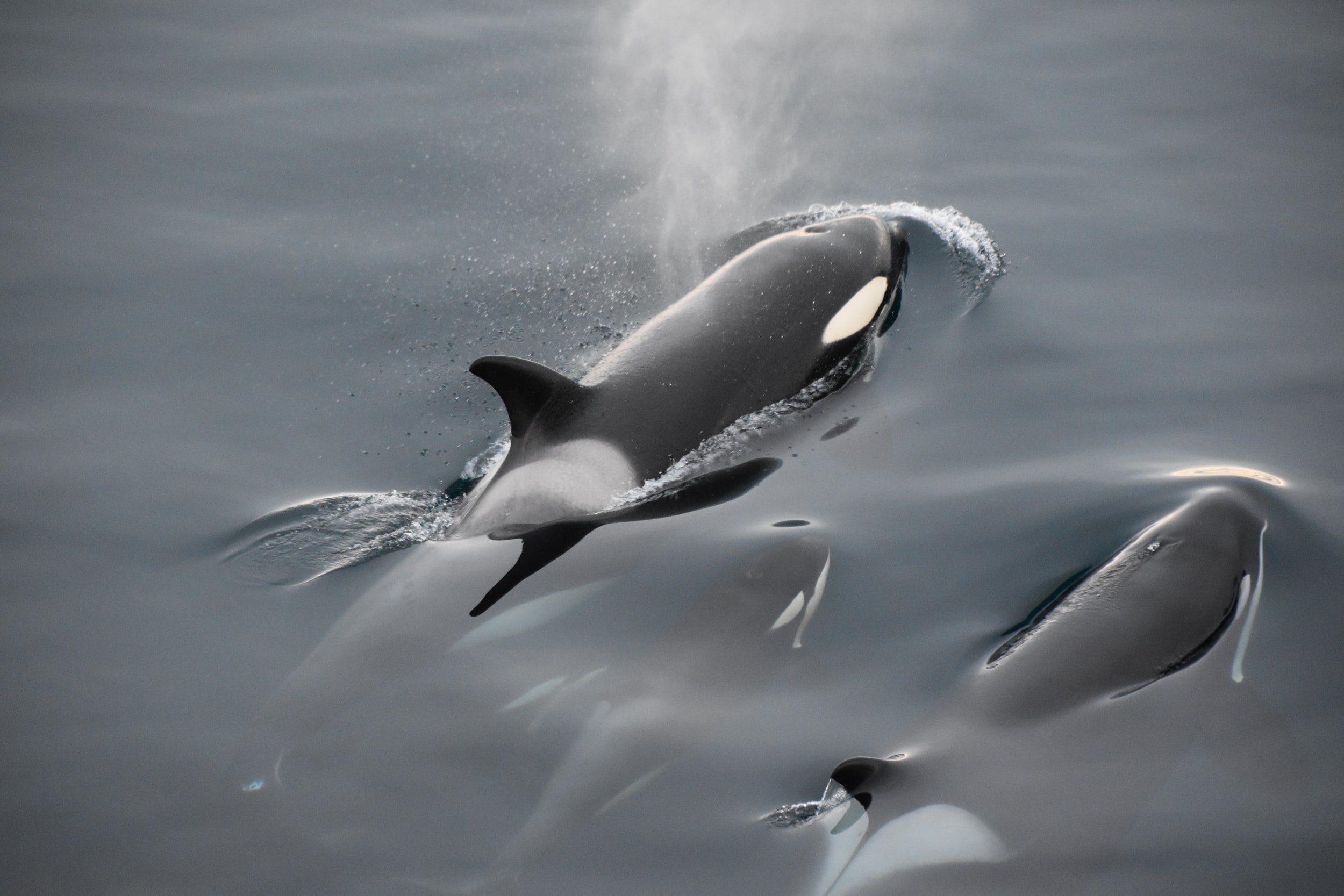
Connecting people with whales of the Pacific Northwest.
Whale Sighting Network Text Alert Subscriptions - Temporarily Unavailable
We're currently migrating our text alert subscription service to a new system. New sign-ups are paused while we make the switch. Existing subscribers will continue receiving alerts as usual. We'll have everything back up and running soon. Thanks for your patience!
Upcoming Events
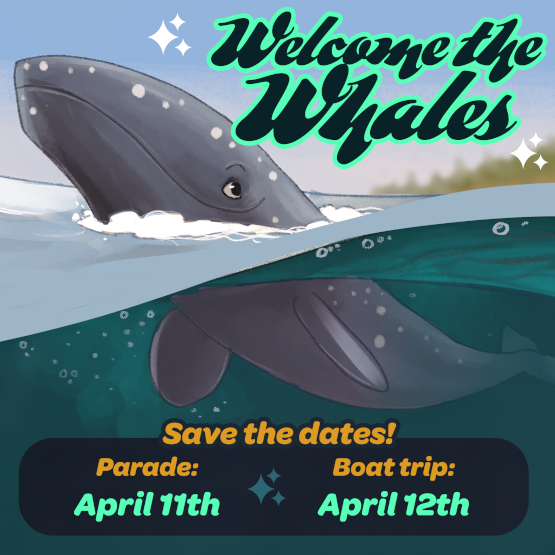

There are currently no available spots for next year’s trip. Information for 2027’s trip can be viewed here.

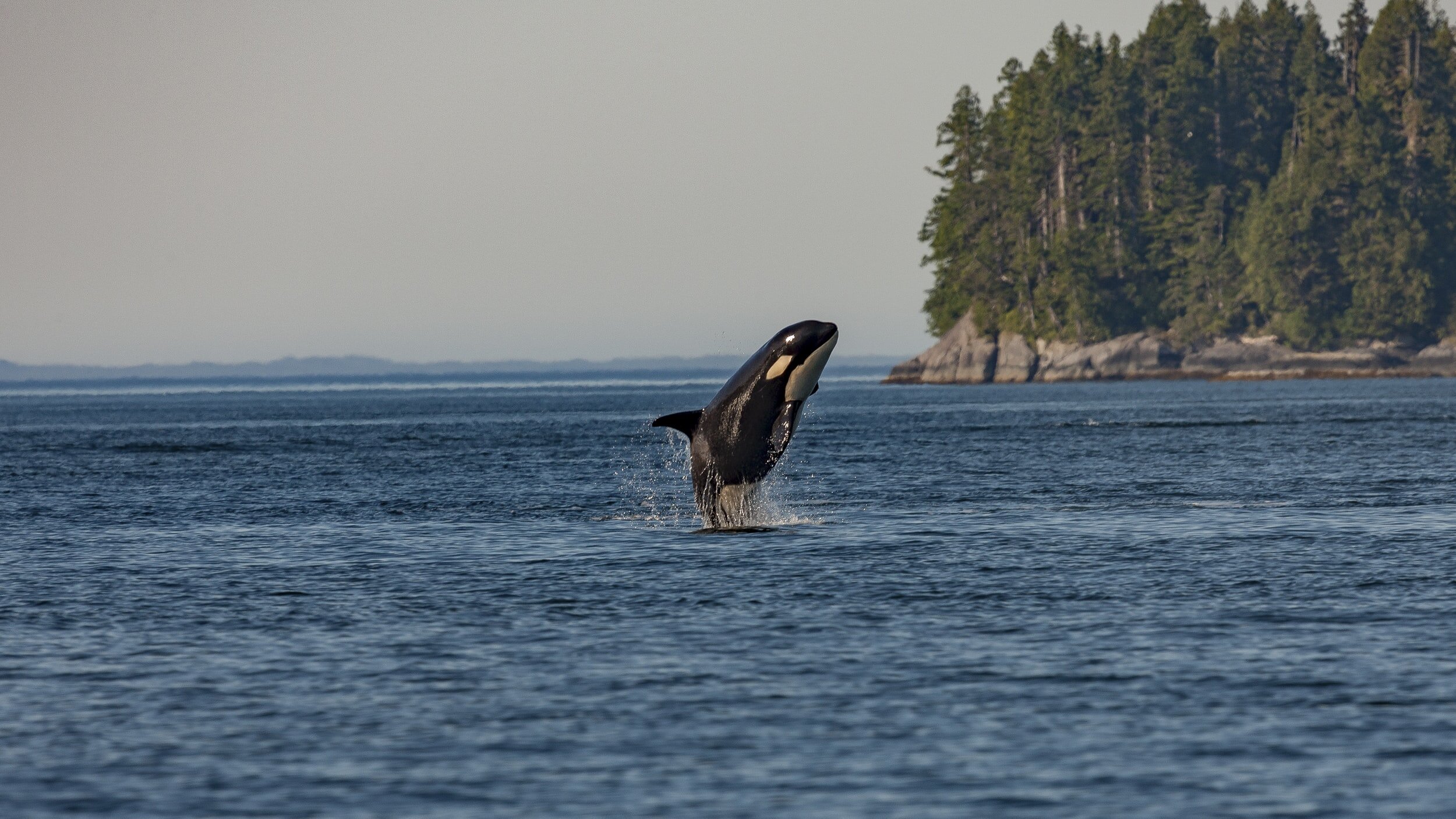
“We are all intricately connected, from tiny plankton to forage fish, salmon, orcas, tall firs and cedars, mountains, rivers and the ocean. It is time to reflect, to reconnect, and to respond as better caretakers of our planet.”
— Susan Berta, Orca Network
Where are the whales? How can we see them?
Orca Network's Whale Sighting and Education Project encourages observation to increase awareness and knowledge about the Southern Resident Community of orcas (J, K and L pods), Bigg’s Transient orcas and other cetaceans, and foster a stewardship ethic to motivate a diverse audience to take action to protect and restore their critical habitat.

All are welcome to the Langley Whale Center.
Orca Network’s Langley Whale Center on Whidbey Island, in the Salish Sea, celebrates and shares the lives of gray whales, orcas and other marine mammals of the Salish Sea.

How can we learn about whales, and how can we help them?
Looking for resources for students, teachers, scientists, advocates? Here are scientific papers, videos and acoustics, marine mammal information sheets, and more.

Lolita/Tokitae/Sk’aliCh’elh-tenaut passed away August 18, 2023. Toki’s remains have returned to her home.
She learned before her capture in 1970 how to be a Southern Resident orca and even after 53 years in a display tank in Miami, she still called out to her family in the unique dialect she learned from them. She was fully capable of returning to the Salish Sea waters she grew up in.
What to do if you find a marine mammal on a beach.
The Central Puget Sound Marine Mammal Stranding Network (CPSMMSN) responds to strandings in Island County (Whidbey & Camano Islands), and northern Snohomish County. To report stranded marine mammals call 1-866-ORCANET.
Orca Network is a non-profit organization connecting whales and people in the Pacific Northwest since 1996.


Sign up to be the first to know about our events.